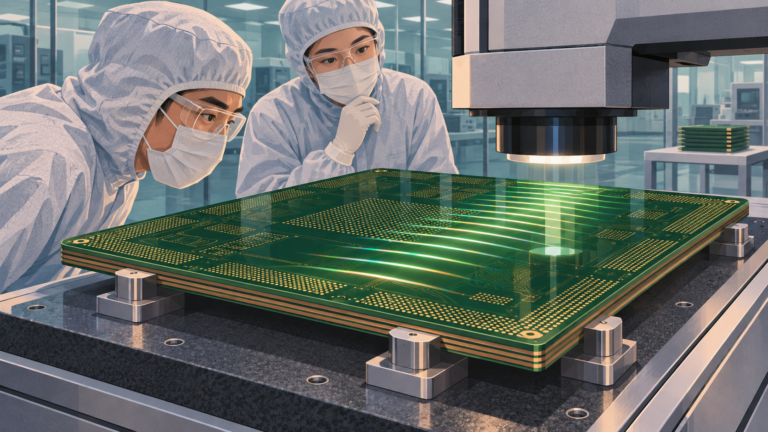

WuXi XDC Singapore’s Good Manufacturing Practice (GMP) milestone puts a practical hiring question in front of biopharma employers. When a manufacturing process moves to a new site, who on the receiving team can show it works there and explain what to do when it behaves differently?
In a company release published on 22 September 2026, WuXi XDC said two parts of its Tuas Biomedical Park site achieved GMP release in August. One line can produce both antibody intermediates and conjugated drug substance. A separate facility handles conjugated drug products, including sterile filling. The company described the Singapore operation as part of a plan to offer customers manufacturing from more than one location. The release does not identify the regulatory or commercial status of individual customer products.
Moving a process means moving its operating knowledge
A transfer package can explain how the original site runs a process and which checks it performs. The receiving team still has to interpret that information on its own equipment, with its own operators and procedures. Even sites that follow the same written method can use different instruments, sampling workflows, or escalation routes. The receiving team needs to know what evidence would show those differences are acceptable.
The World Health Organization’s pharmaceutical technology-transfer guidance distinguishes the sending unit from the receiving unit and outlines a structured transfer process. That distinction helps hiring managers see where technical capacity may be missing. The sending site has accumulated experience of the process. The receiving site needs people who can ask what the instructions assume, identify what evidence it can reproduce and document the basis for accepting the transfer.
For example, if a result differs between laboratories, an analyst may need to check how the sample was handled before concluding that the manufacturing process changed. The production team needs to know whether to continue work while the issue is investigated. Quality staff need enough information to decide whether the difference affects the agreed acceptance criteria. The work crosses departments, but each department needs a clear owner.
Budget for the work before the line goes live
For Singapore biopharma employers, a useful workforce plan separates the team’s steady-state operating workload from its work on the transfer. Running training batches, reviewing trial results and following up discrepancies can take substantial time before a line is ready for routine production. The person who can resolve these questions may be a specialist whose hours are already committed to an operating line.
Managers can test their coverage by selecting one upcoming transfer milestone. Who at the receiving site can explain the process assumptions? Who can reproduce the relevant check? Who can review the evidence against the agreed criteria? If the same person is named for several simultaneous milestones, the plan has exposed a resource constraint that an overall headcount figure would miss.
WuXi XDC’s Tuas milestone shows the types of manufacturing stages the site can host. For employers building a receiving team, the practical measure is whether it can make informed decisions using local evidence, before the sending site’s specialists move on to the next transfer.
Staffing a biopharma technology transfer or manufacturing ramp? Contact Us to discuss your process engineering and quality hiring needs.